
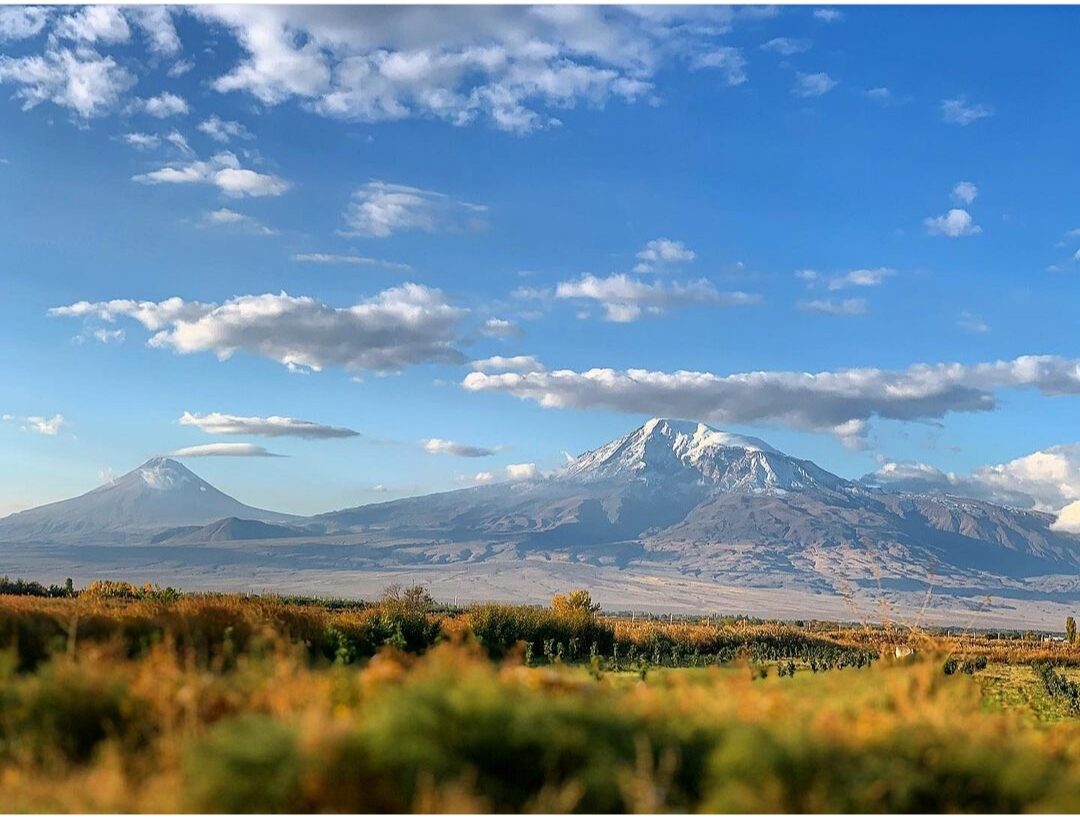
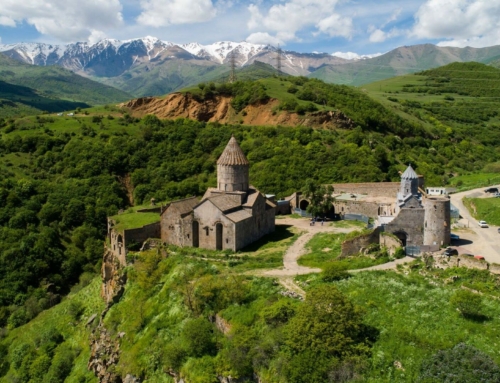
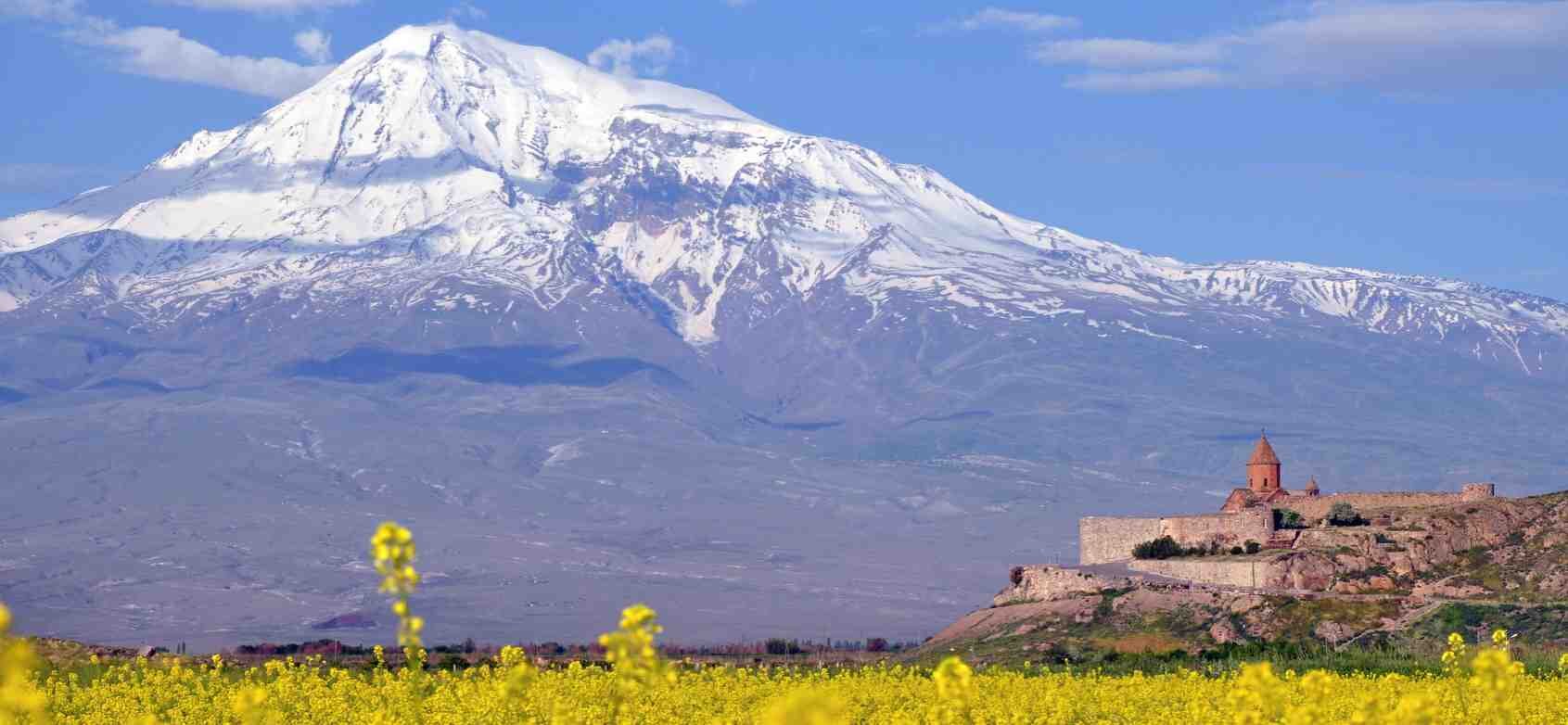
A small mountainous country in the South Caucasus, Armenia offers a remarkable diversity of landscapes: volcanic peaks, high-altitude lakes, dense forests and semi-arid steppe follow one another across a modestly sized territory.
The Armenian Highlands
The country largely sits atop the Armenian Highlands, a mountainous massif that shapes most of the national terrain. The Geghama Mountains, of volcanic origin, are notably known for their ancient petroglyphs.
Lake Sevan
At an altitude of 1,900 meters, Lake Sevan is one of the highest freshwater lakes in the world. Its basin covers most of the Gegharkunik region and supports an exceptional variety of birdlife.
A network of national parks
About 13% of Armenia’s territory holds protected status, spread across national parks and nature reserves. Sevan National Park, the country’s most visited, protects the lake and its surroundings. Arpi National Park, a refuge for more than 100 bird species including the Dalmatian pelican, and Arevik National Park, in the Zangezur mountains to the south, combine deciduous forest, alpine meadow and semi-desert terrain.
Exceptional biodiversity
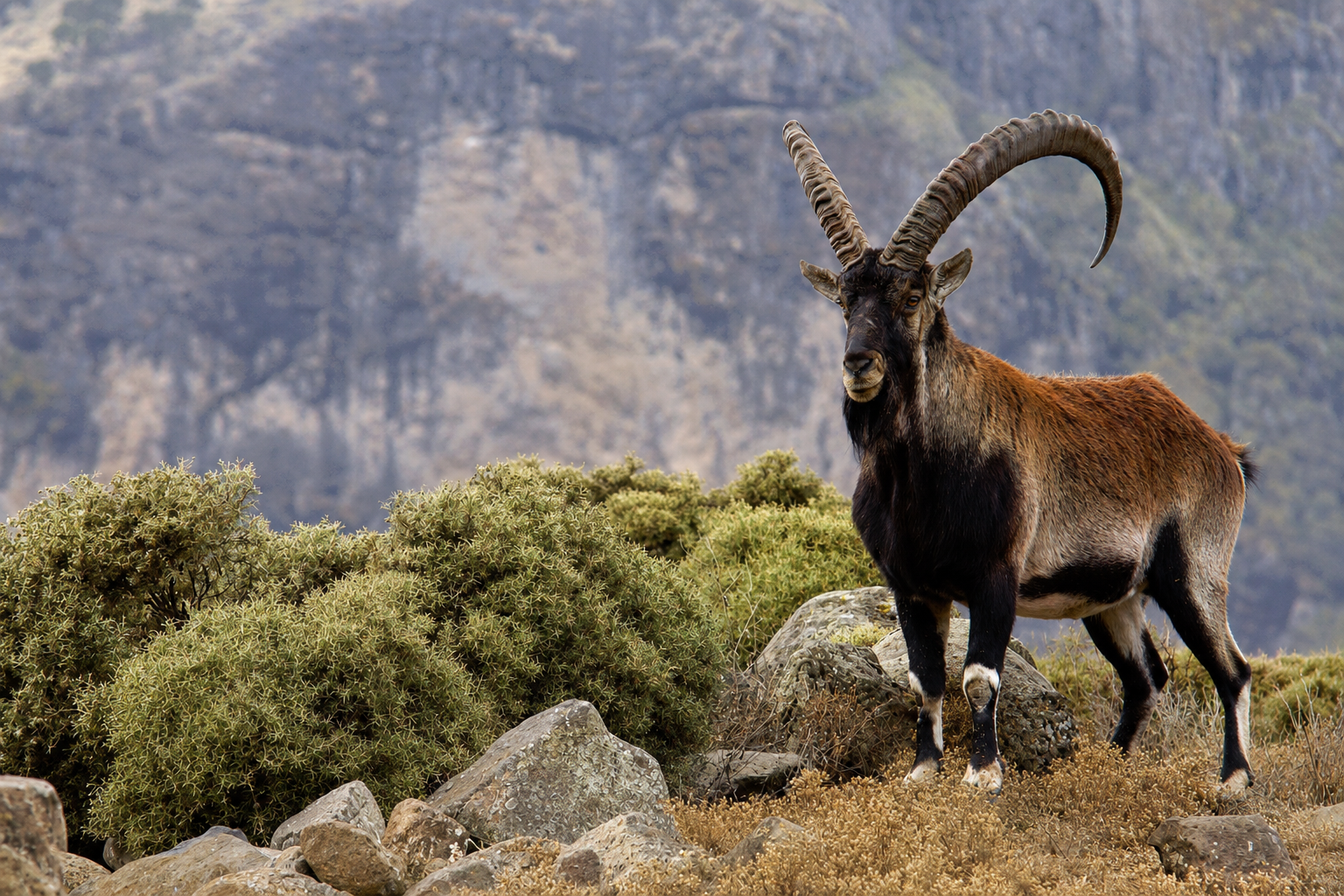
Armenia records more than 3,500 species of vascular plants and around 350 vertebrate species. This richness stems from the country’s position at the crossroads of several distinct biogeographic zones.
Hiking in Armenia
Hiking trails cross the entire country, from the Transcaucasian Trail to shorter loops around Dilijan, Tavush or Zangezur, offering direct access to this unspoiled nature.

Leave A Comment